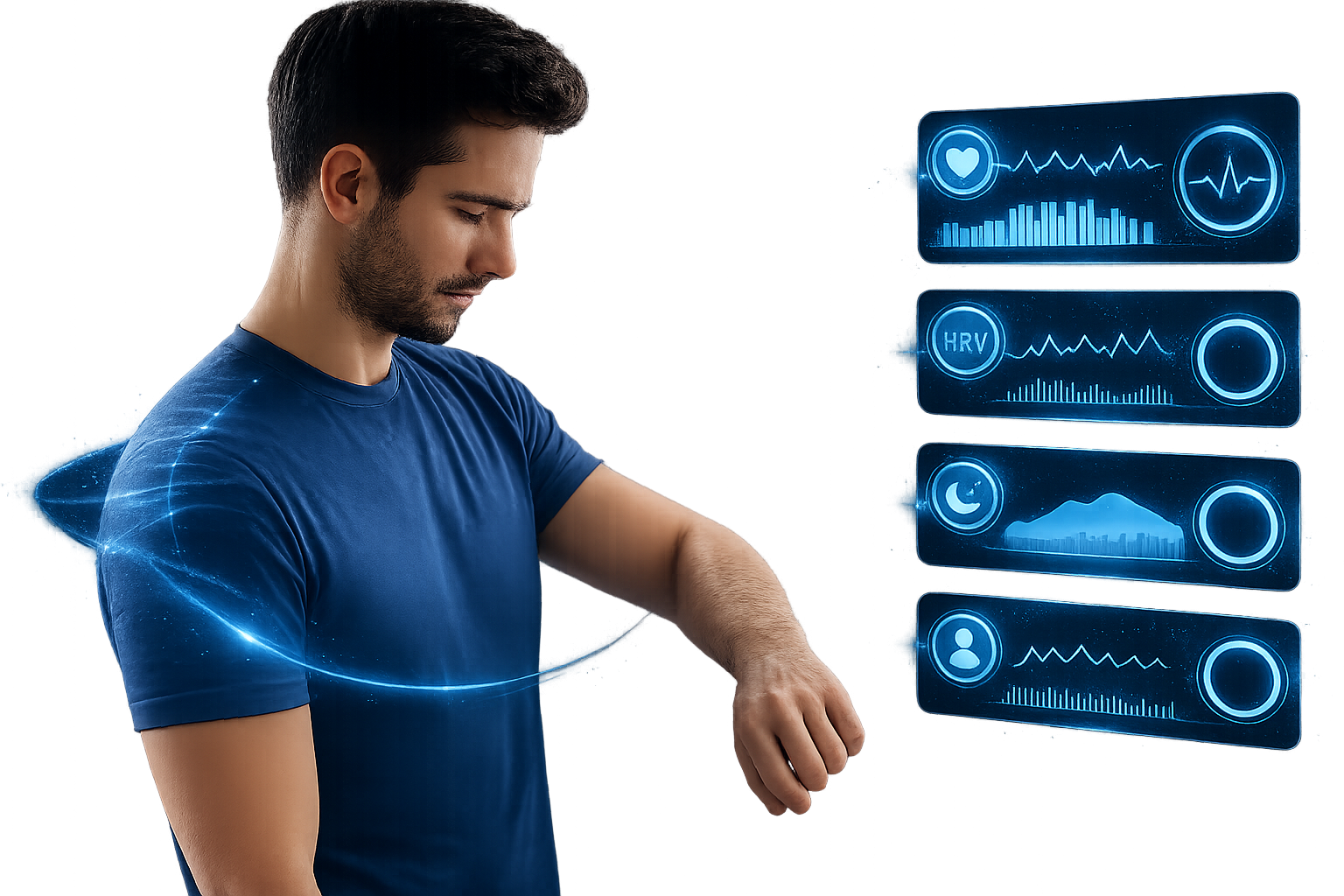
From „I feel like something's off” to „I understand what's happening”
We live in a time when many symptoms are vague: fatigue, agitation, fragile sleep, background tension, difficulty concentrating. This is where health monitoring comes in: the repeated, non-invasive monitoring of physiological and behavioral signals.
What exactly is health monitoring
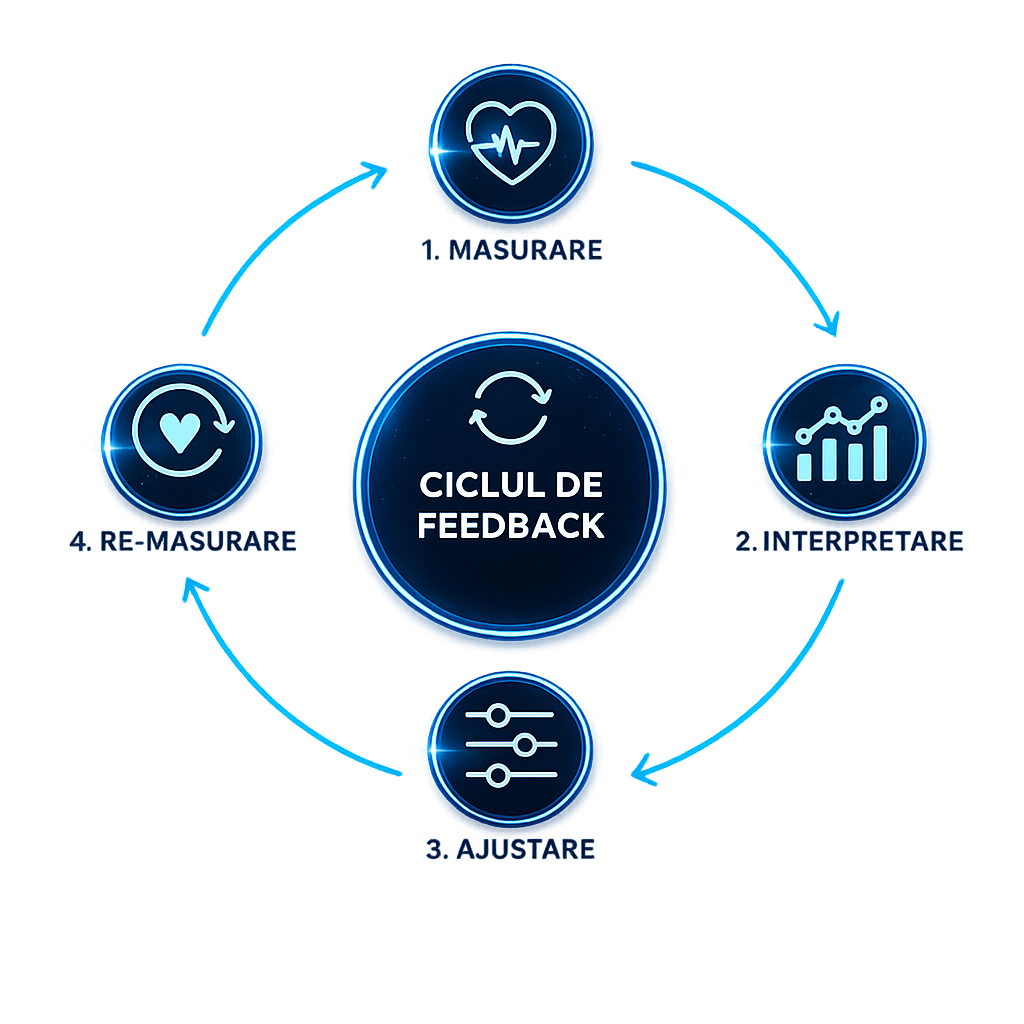
Measurement
Data collection: heart rate, heart rate variability, sleep, activity, temperature or skin conductance.
Interpreting the patterns
Identifying changes over time, from baseline to deviations that appear during demanding periods.
Feedback
Information that supports simple, early decisions about sleep, rhythm, breaks and recovery.
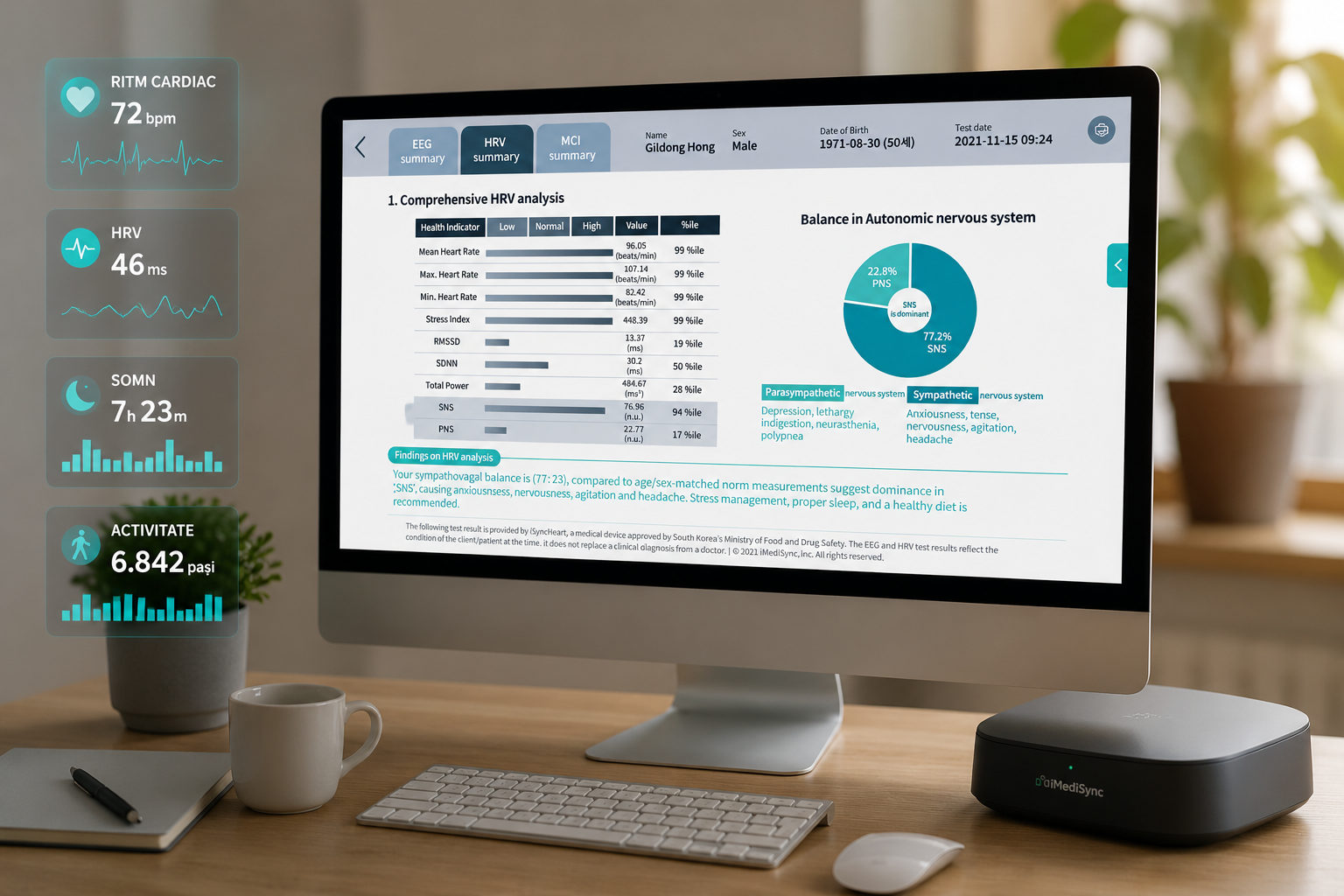
In modern scientific language, these data can be classified as digital biomarkers: physiological and behavioral measurements collected through digital devices. Important: the fact that you can measure doesn't mean you're making a diagnosis. In health monitoring, the value comes from observation, prevention and regulation.
Why this need emerged
Historically, health was approached in two modes: I feel unwell, I go to the doctor (reactive) or I feel fine, I don't think about it.
But modern life has created a large area between the two: people who aren't well but don't have a clear diagnosis, symptoms that come in waves and are influenced by rhythm, sleep, stress, environment.
This is where health monitoring offers something essential: a language for what you feel, but that you can't describe, and especially a way to see change when you step in.
Why does monitoring change prevention?
In health monitoring, you're not interested in a perfect value on a single day. You're interested in: how you normally function (your baseline) and how you change when the context changes. That's a major difference from vague wellness: you move from „I think” to „I observe”.
This is the central mechanism of modern health monitoring: you measure, you intervene gently, you measure again, you decide based on the body's response.
Why do people use health monitoring?
Practical prevention
Instead of waiting for „something to break”, you observe closely: periods of poor sleep, poor recovery, prolonged overload. This allows small, early adjustments.
Psychological clarity
When you see that a pattern exists and that it changes with the context, trust emerges: not as a promise, but as confirmation.
Personal responsibility
Health monitoring shifts the center of gravity toward the user: you build a usage guide for your own body.
Health monitoring has grown globally because it solves a huge modern need: it transforms vague sensations in reference points, and the reference points in small, early decisions. It's not about control. It's about cooperation with the body: you observe without judgment, step in gently, check, and choose with awareness.
Start with a scan today
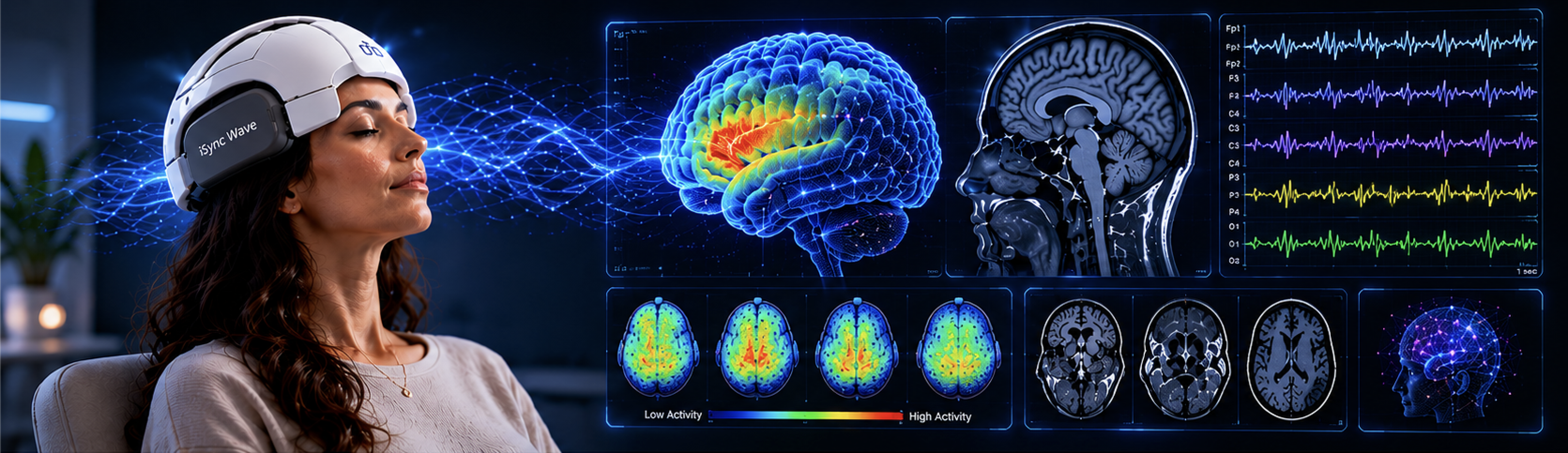
The first objective reference point starts from a brain scan. It shows you the baseline from which you can observe how you change over time — the starting point for monitoring and early decisions.
Book a scan
Non-invasive · On-the-spot results · Specialist interpretation